
Germination & dominance
Stable spores that activate on contact with moisture and substrate.
Microbial, enzyme, bio-refining and organic ecological platforms connected to solve real problems.
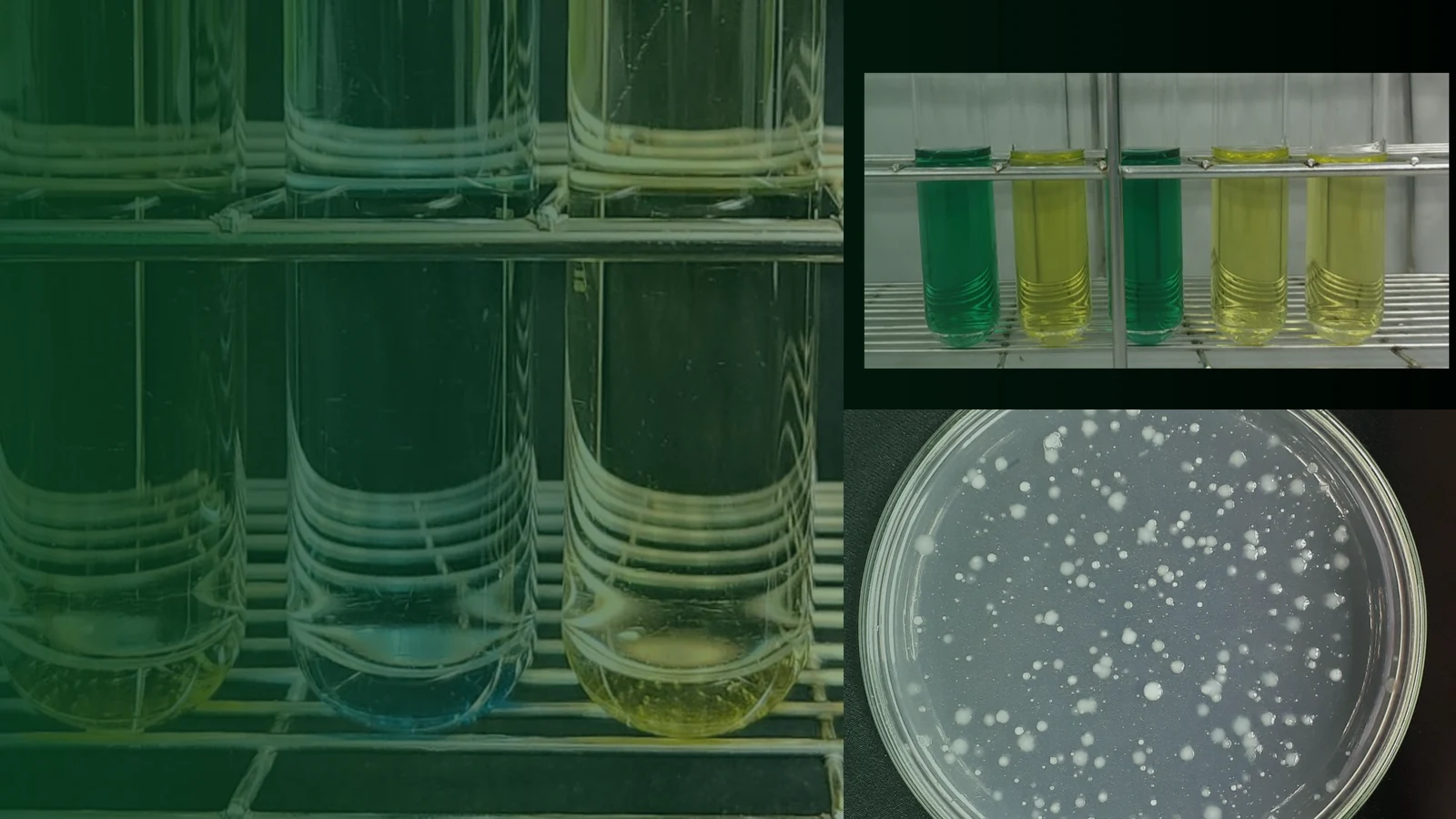

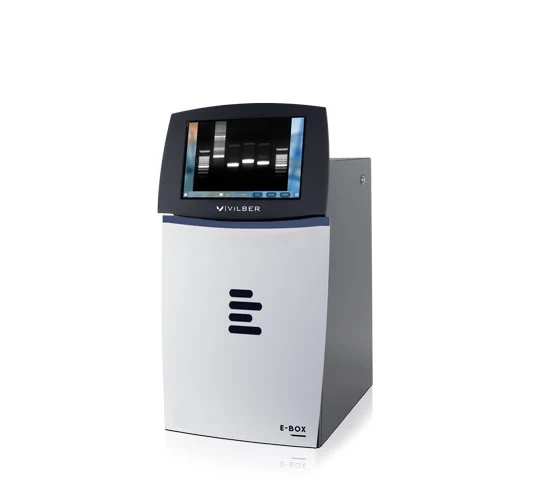
KMVE organises its technology domains as one connected chain: discover microorganisms, harvest enzymes, refine compounds and optimise ecological application.
The dossier describes the complementary roles of B. subtilis, B. licheniformis and B. amyloliquefaciens/velezensis in decomposition, competition and environmental stability.
Stable spores that activate on contact with moisture and substrate.
Breaking down protein, lipid, starch, cellulose, chitin and phytate.
Surfactin and related compounds that alter the surface micro-environment.
Competing for nutrients and attachment sites, limiting harmful microorganisms.
Helping steer the process toward fewer odour intermediates and greater stability.
The slides list Surfactin, Iturin, Fengycin, Bacillomycin and Bacilysin as natural compounds associated with the antagonistic capability of Bacillus spp.
Biosurfactant is highlighted for stabilising the micro-environment and for competition.
A peptide group presented within the natural antifungal compound system.
A component associated with the ability to control pathogenic fungi.
Two further compound groups in KMVE's picture of microbial antagonism.
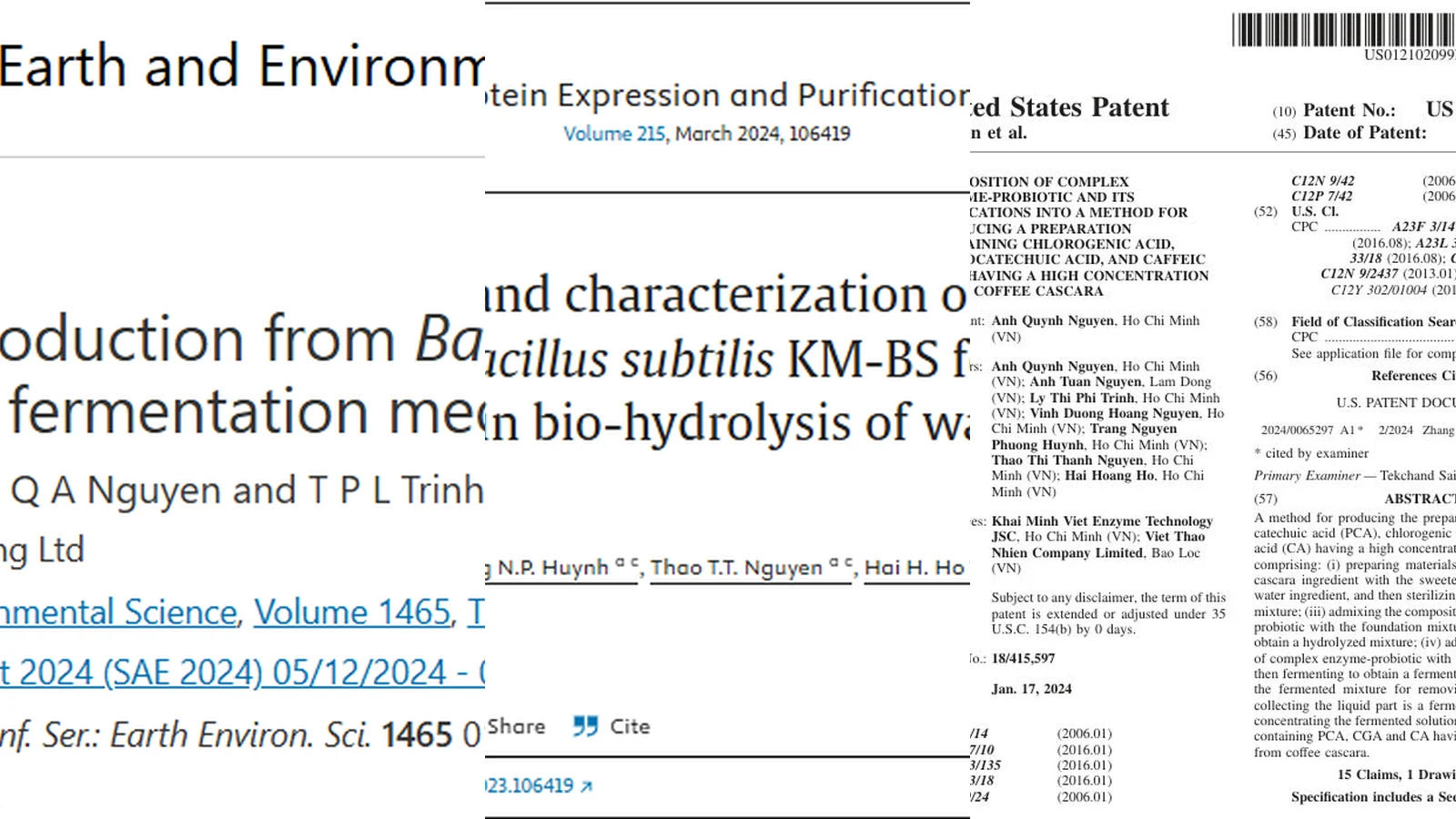
Go deeper into the three laboratories and the role each equipment group plays in the research chain.